
Learning Crochet: Why Mistakes Are the Secret to Mastery
Mistakes aren't the opposite of crochet mastery—they're the path to it!

TL;DR | listen to podcast here
Help support the research, storytelling, and
yarn-filled adventures behind Exploration Crochet.
What if every crochet mistake was actually evidence that your brain is learning exactly the way it’s supposed to?
If you’re learning crochet, I’ve got some wonderful news for you.
You’re going to make mistakes.
Thousands of them.
That isn’t bad news—it’s exactly how every master crocheter became a master.
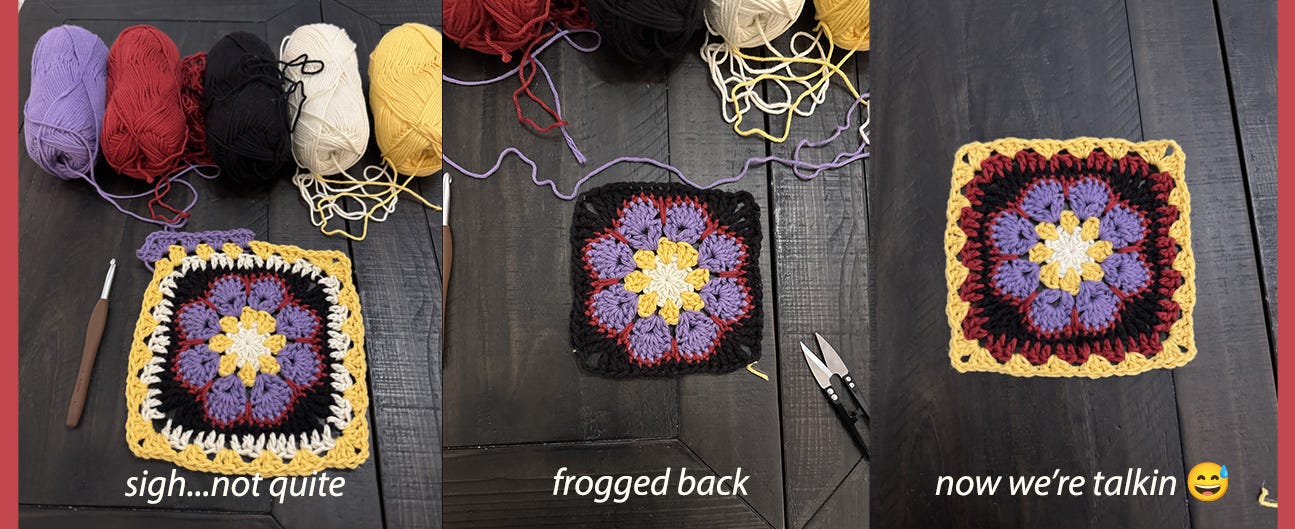
We tend to admire finished blankets, beautiful shawls, perfectly fitted sweaters, and flawless amigurumi. What we don’t see are the skipped stitches, the frogged rows, the uneven edges, and the moments when the maker stared at a project wondering if they should simply pretend it never happened.
The truth is that every experienced crocheter has a hidden museum of mistakes.
The difference isn’t that experts make fewer mistakes. The difference is that they learned from them.
As it turns out, modern neuroscience, educational psychology, and even the history of scientific discovery all agree on one surprising idea:
Mistakes aren’t obstacles to mastery—they’re the path to it.
Humanity Has Always Learned Through Mistakes
History loves celebrating success.
It celebrates discoveries.
Breakthroughs.
Inventions.
What history rarely celebrates are the countless failures that came first.
Consider Alexander Fleming.
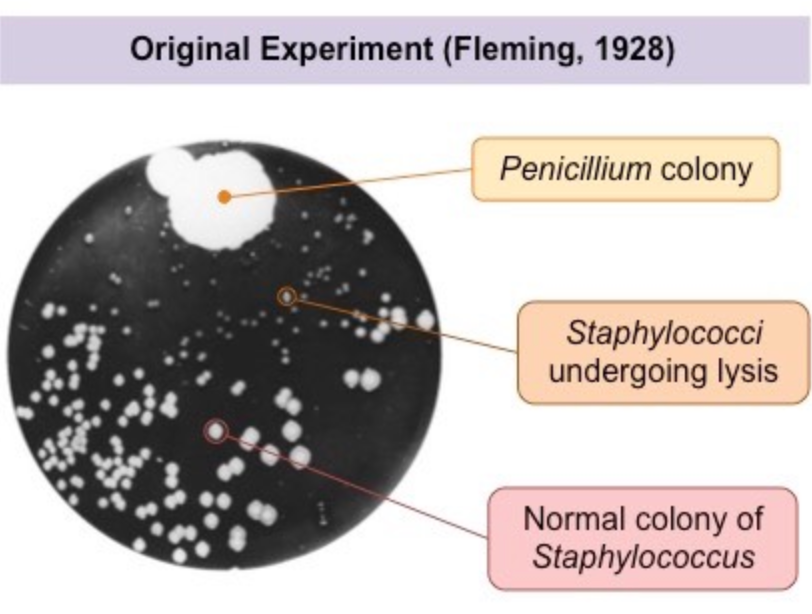
In 1928, Fleming returned from vacation to discover that mold had contaminated one of his petri dishes. Most scientists would have thrown it away. Instead, Fleming noticed something unusual: bacteria refused to grow around the mold.
That accident eventually became penicillin, one of the most important medical discoveries in history.
Or take the Post-it Note.
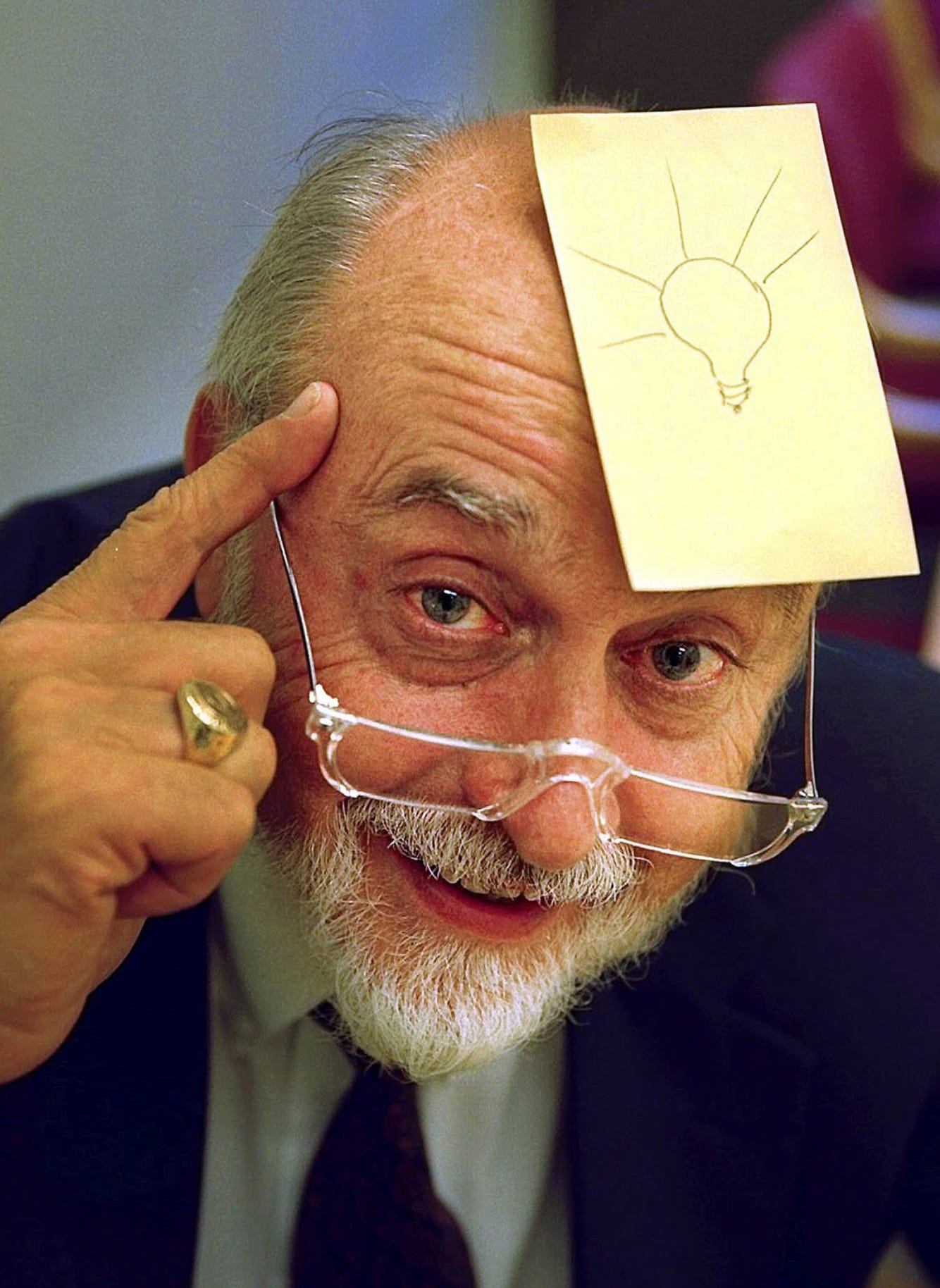
Chemist Spencer Silver wasn’t trying to invent a removable note. He was trying to create an incredibly strong adhesive. Instead, he accidentally created one that was surprisingly weak. Years later, his colleague Art Fry realized that “failed” glue was perfect for bookmarking pages without damaging them.

The microwave oven has a similar story. Engineer Percy Spencer noticed that a candy bar (a Pay Day to be exact) had melted in his pocket while he worked near radar equipment. Instead of dismissing the oddity, he investigated it—and changed the way millions of people prepare food. Oh, and in case you’re wondering - he fathered 3 children. 😉
Notice what all of these stories have in common.
An error or mistake.
Curiosity.
Observation.
Experimentation.
Failure wasn’t the end of the story.
Failure was the beginning.
Scientists even have a saying:
Negative results are still results.
Every experiment answers a question.
Sometimes the answer is simply,
“Nope…that didn’t work.”
That’s still valuable information.
Crochet works exactly the same way.
Your Brain Learns Like a Crocheter
One of the most fascinating discoveries in neuroscience is something called Error-Based Learning.
Your brain is constantly making predictions.
When you’re crocheting, your brain expects the stitches to behave a certain way.
A flat circle should stay flat.
The stitch count should be correct.
The edges should remain straight.
Then you stop, look down, and discover you’ve somehow crocheted a tube instead of a circle.
Your brain immediately notices the mismatch.
Scientists call this a prediction error.
Instead of interpreting the mistake as failure, your brain treats it as new information. Neural pathways update, refine, and adjust your understanding so you’re more likely to recognize and avoid the same mistake in the future.
Think of your GPS.
When you miss a turn, it doesn’t lecture you.
It recalculates.
Your brain does exactly the same thing.
That’s why the crocheters who improve the fastest aren’t necessarily those who make the fewest mistakes.
They’re the ones who become curious enough to investigate them.
Why is my edge slanting?
Why did my circle become a bowl?
Why is my gauge different?
Every question strengthens your understanding.
Every Crocheter Is Running a Laboratory
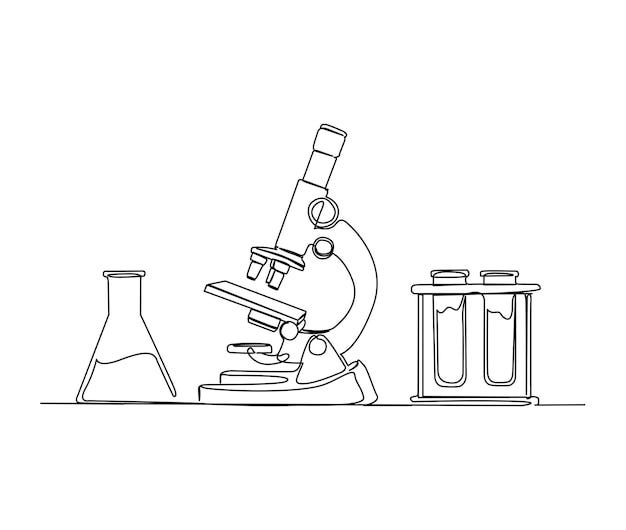
Crochet isn’t just a craft.
It’s an experiment.
The hook is your instrument.
The yarn is your material.
The pattern is your hypothesis.
Scientists don’t ask,
“How can I avoid being wrong?”
They ask,
“What happens if...?”
What happens if I substitute cotton for acrylic?
What happens if I use a larger hook?
What happens if I ignore the gauge swatch?
(If you’re making a wearable, we already know the answer to that last one.)
Every crochet designer you’ve ever admired has spent years asking these same questions.
Crochet didn’t magically appear fully formed.
Someone discovered that changing hook size changes drape.
Someone experimented with joining motifs.
Someone tried working only in the back loops.
Someone invented entirely new stitch combinations simply by asking,
“I wonder what happens if…”
Innovation has always begun with curiosity.
Crochet History Is Built on Experimentation
One of my favorite things about crochet history is that it has never stood still.
Take freeform crochet.
Instead of following strict stitch counts and rigid rows, freeform artists combine textures, colors, stitch heights, and directions to create organic works of art. Artists such as Sylvia Cosh and James Walters encouraged crocheters to embrace improvisation rather than perfection.
Irish Crochet Lace tells a similar story.
Throughout the nineteenth century, makers continually adapted motifs, fillings, raised cords, and mesh backgrounds to suit available materials, local styles, and customer preferences.
Even something as familiar as the granny square has evolved into countless variations because generations of crocheters kept asking:
What if I change the center?
What if I move the corner?
What if I join it differently?
And what if I DON’T chain 3 between the double crochet groups?
Crochet history isn’t a timeline of perfection.
It’s a timeline of experimentation.
Every stitch dictionary is really a museum of successful experiments.
Three Ideas That Will Change the Way You Learn Crochet
1. Productive Failure
Educational researcher Dr. Manu Kapur introduced the concept of Productive Failure.
His research suggests that struggling with a problem before being shown the solution often produces deeper learning than immediately receiving the answer.
Think about two beginners.
One asks someone else to fix a mistake.
The other studies the stitches, counts carefully, examines the fabric, and figures out what happened.
The second crocheter hasn’t simply corrected a mistake.
They’ve learned stitch anatomy.
Pattern reading.
Problem solving.
The mistake became the teacher.
2. Desirable Difficulties
Psychologist Dr. Robert Bjork argues that learning sometimes needs friction.
Activities that feel more difficult often create stronger, longer-lasting learning.
For crocheters, those desirable difficulties include:
Reading written patterns instead of relying entirely on videos
Learning crochet charts and symbols
Understanding stitch anatomy
Repairing mistakes instead of immediately frogging
Learning why patterns work instead of simply following instructions
Growth isn’t always comfortable.
Neither is blocking lace.
Both are worth it.
3. Growth Mindset
Psychologist Dr. Carol Dweck reminds us that ability isn’t fixed.
It grows.
Often the difference is one tiny word:
Yet.
“I can’t read crochet or decipher charts.”
Yet.
“I’m not good at amigurumi. or tapestry crochet.”
Yet.
"I’m not a master at counting or reading stitches."
Yet.
That single word transforms failure into possibility.
Every expert crocheter once struggled to hold a hook.
Every expert has made mistakes.
You just don’t get to see them anymore.
Crochet’s Kobayashi Maru
If you’re a Star Trek fan, you already know about the Kobayashi Maru.
It’s an unwinnable simulation given to Starfleet cadets—not to test whether they can win, but to reveal how they respond when winning isn’t possible.
Do they panic?
Adapt?
Give up?
Think creatively?
Crochet has its own CRO-bayashi Maru.
The discontinued yarn.
The missing dye lot.
The pattern errata you discover seventy-three rows later.
The sweater that somehow fits everyone except you.
These moments aren’t testing your crochet skills.
They’re revealing your mindset.
Will you become frustrated?
Or curious?
Will you quit?
Or adapt?
The real test isn’t whether mistakes happen.
They will.
The real question is what kind of crocheter you’ll become because of them.
Mistakes Are Part of Crochet’s Story—and Yours
Perhaps you’ve been asking the wrong question all along.
Instead of asking,
“How do I stop making mistakes?”
Maybe you should ask,
“What is this mistake trying to teach me?”
Nothing in history moved forward without mistakes.
Science didn’t.
Medicine didn’t.
Crochet didn’t.
Every stitch technique.
Every innovative pattern.
Every breathtaking design.
Exists because someone looked at an unexpected result and asked,
“I wonder why?”
So the next time you’re about to frog three rows, don’t think of it as erasing your work.
Think of it as running another experiment.
You’re participating in the same process that gave the world penicillin, Post-it Notes, microwave ovens, Irish Crochet Lace, freeform crochet, and countless other innovations.
You’re becoming part of crochet’s ongoing history of exploration.
And perhaps that’s the greatest lesson of all.
Because mastery isn’t built from perfect stitches.
It’s built from curiosity.
From resilience.
From experimentation.
From mistakes.
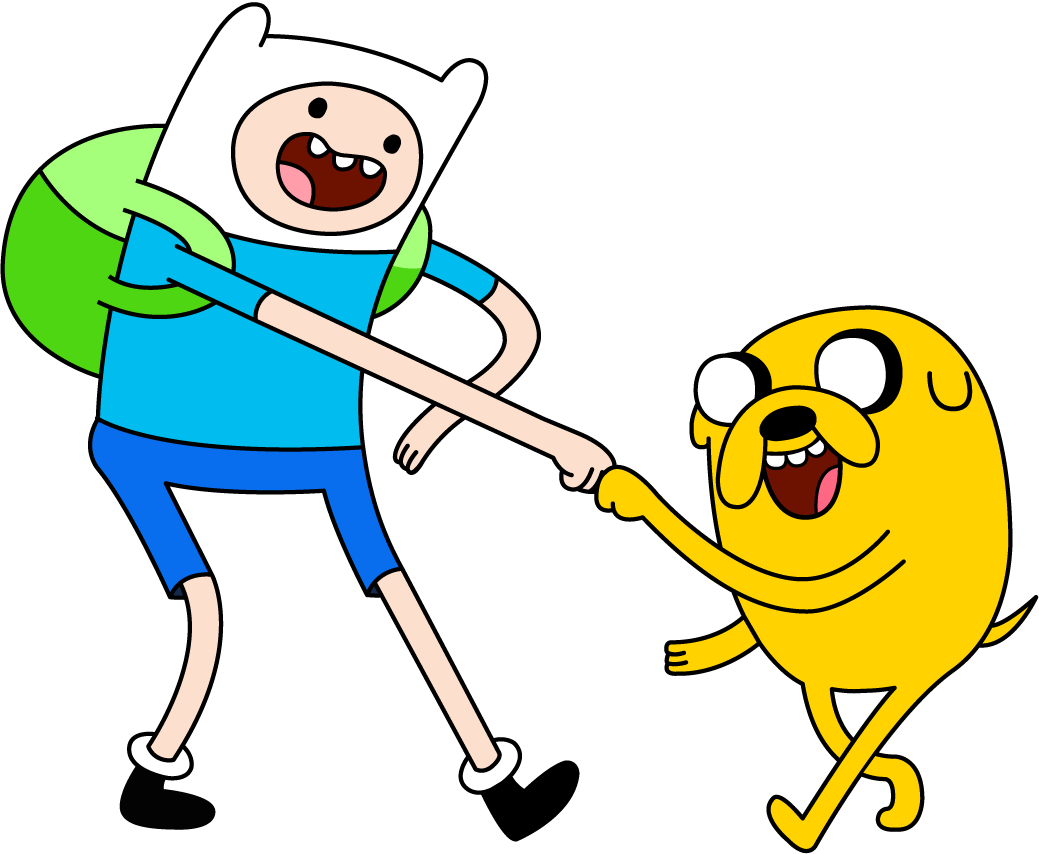
After all, as Jake the Dog famously told Finn the human:
“Dude, sucking at something is the first step toward being sorta good at something.”
So keep asking questions.
Keep experimenting.
And remember...
It’s okay that you’re not a crochet master—
yet.
WIP BAG 🧶 🎒 I love listening to your audio of this audio (the one ReRe reads). I just noticed the article with links to supportive YouTube videos. Love the growth mindset connection 😀 It is important when I'm talking to myself about my crochet, when I'm teaching crochet or when I'm helping other crocheters problem solve.