
Free Reading Crochet Patterns Cheat Sheet
Learn How to Read Crochet Patterns with Confidence

TL;DR | Get Free Reading Crochet Patterns Cheat Sheet
Ready to take your crochet to the next level? The Yarn Over Hook Crochet Cheat Sheet: Reading Crochet Patterns is a free crochet resource designed to help beginners understand how crochet patterns are written, what pattern abbreviations mean, and what information to look for before starting a project.
Learning to read crochet patterns is not required to enjoy crochet, but it can open the door to a whole new world of making possibilities. Once you know the basic crochet stitches, learning how to read a written crochet pattern is a natural next step. You already know how to make the stitches. Now you just need to learn how those stitches are communicated in writing.
This free crochet pattern reading cheat sheet gives you a simple, beginner-friendly guide to understanding crochet abbreviations, pattern notes, yarn weights, hook sizes, gauge, stitch keys, special stitches, and the basic structure of a well-written crochet pattern.
Help support the research, storytelling, and yarn-filled
adventures behind Exploration Crochet.
Reading Crochet Patterns Cheat Sheet
If you have ever opened a crochet pattern and felt confused by abbreviations, rows, rounds, stitch counts, gauge, or special instructions, you are not alone.
Crochet patterns have their own language. Terms can feel overwhelming at first. But once you understand how crochet patterns are organized, they become much easier to follow.
That is why Yarn Over Hook created this free crochet cheat sheet for reading crochet patterns — to help you feel more confident before you make your first slip knot.
What’s included in the Cheat Sheet?
The Yarn Over Hook Crochet Cheat Sheet: Reading Crochet Patterns includes helpful explanations, beginner-friendly guidance, and printable crochet resources you can keep with your patterns.
Inside the free cheat sheet, you’ll find:
The key elements of a well-written crochet pattern
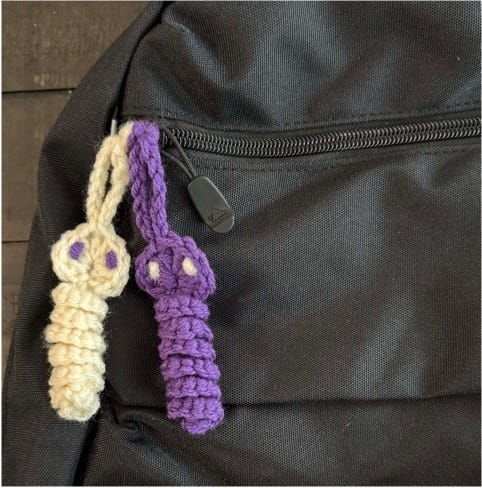
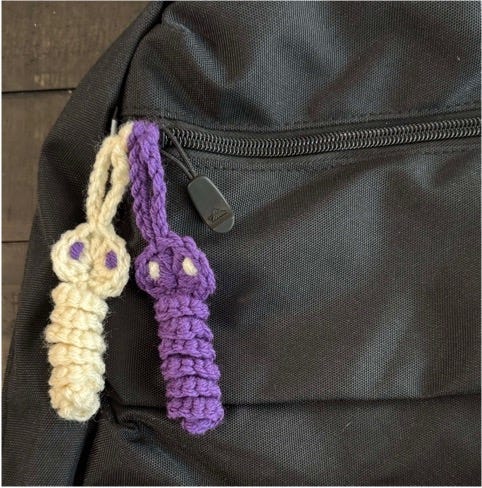
A Beginner Friendly Crochet Pattern: Wiggle Worm Bag Charm Pattern
Printable crochet reference pages
A Crochet Abbreviations Master List from YarnStandards.com
A Standard Yarn Weight System and Hook Size List from YarnStandards.com
This resource is perfect for beginner crocheters, self-taught crocheters, and anyone who wants a handy crochet pattern reference sheet to keep nearby while working on a project.
This free crochet pattern reading guide is perfect for:
Beginner crocheters
Self-taught crocheters
Crocheters who want to start using written patterns
Makers who need a quick crochet abbreviation reference
Anyone who wants to better understand crochet pattern structure
Why Learning to Read Crochet Patterns Matters
You do not have to read patterns to crochet. Many crocheters learn from family members, friends, videos, classes, or trial and error. But learning how to read crochet patterns gives you more freedom.
When you understand written crochet instructions, you can try more patterns, follow more designers, make more projects, and better understand how crochet construction works.
A good crochet pattern tells you what materials you need, what stitches to use, how many stitches to make, how the project is constructed, and what your finished piece should look like. Learning to read those instructions helps you crochet with more confidence and less frustration.
How to Use This Free Cheat Sheet
Start by reading through the cheat sheet before you begin a new pattern. This will help you become familiar with the different sections of a written crochet pattern.
Keep the cheat sheet nearby while you crochet so you can refer to it whenever you see a crochet abbreviation, stitch term, yarn weight, or pattern instruction you do not recognize.
The Most Important Tips for Reading Crochet Patterns
The number one rule for reading crochet patterns is simple:
Read the entire pattern before you start.
Before you make your first slip knot, read through the full pattern from beginning to end. This helps you spot special stitches, unusual construction notes, repeated instructions, gauge information, sizing details, and any terms you may need to look up before you begin.
The second most important rule is this:
Check whether the pattern is written in U.S. or U.K. crochet terms.
This is essential because U.S. and U.K. crochet terminology can use the same stitch names to mean different stitches. Knowing which terms the designer is using can prevent confusion and help you follow the pattern correctly.
Elements of a Well-Written Crochet Pattern
A well-written crochet pattern should give you the information you need to complete the project successfully. Every designer has their own writing style, but most clear crochet patterns include the following sections. The Reading Crochet Charts Cheat Sheet goes in depth about all these elements.
Author Information: A crochet pattern should include the pattern writer’s name and contact information.
Project Photo: A project picture shows you what you are making
Pattern Notes: Pattern notes are like the road map for a crochet pattern.
Skill Level: The skill level gives you an idea of how easy or difficult the designer believes the pattern is.
Materials List: The materials list should include everything you need to complete the crochet project. Including information about the Yarn.
Yarn weight: The skill level gives you an idea of how easy or difficult the designer believes the pattern is.
Gauge: Gauge is a measurement of crochet tension.
Stitch key: The stitch key should list every stitch, term, and abbreviation used in the crochet pattern.
Special stitches: The special stitches section explains any stitch used in the pattern that goes beyond the basic stitches listed in the stitch key.
Measurements and sizing: The measurements or sizing section should include the finished measurements of the crochet project.
Crochet chart: A crochet chart is a visual representation of what is being crocheted, some patterns require charts, others do not.
The Pattern: The pattern instructions are the step-by-step directions for making the crochet project.
Learning to Read Crochet Patterns Takes Practice
Learning how to read crochet patterns is part of the crochet journey.
You do not have to understand every abbreviation, chart, stitch count, or designer note all at once. Like every other part of crochet, pattern reading becomes easier with practice.
The more patterns you read, the more familiar the language becomes.
And remember, you are not alone. Crochet is a journey, not a destination, and there are always people to help you along the way.
Ready to build your crochet confidence?
Download the FREE Crochet Cheat Sheet: Reading Crochet Patterns and learn how to understand crochet abbreviations, pattern notes, yarn weights, hook sizes, gauge, stitch keys, special stitches, charts, rows, and rounds.
And remember, learning crochet is a journey, not a destination. As with any journey there are folks to help you along the way. If you have any questions, please don’t hesitate to ask.
Finally, you do not have to subscribe to get it — but it would be real nice if you did.
Help support the research, storytelling, and yarn-filled
adventures behind Exploration Crochet.